
Blog
Whether you’re training for an upcoming event or building a rock-solid foundation, tracking the right feedback loop helps you move more efficiently, protect your joints, and run faster with less fatigue. Here’s your quick guide to mastering cadence, intensity zones, and training load.
Pace vs. Cadence: Stop Overstriding
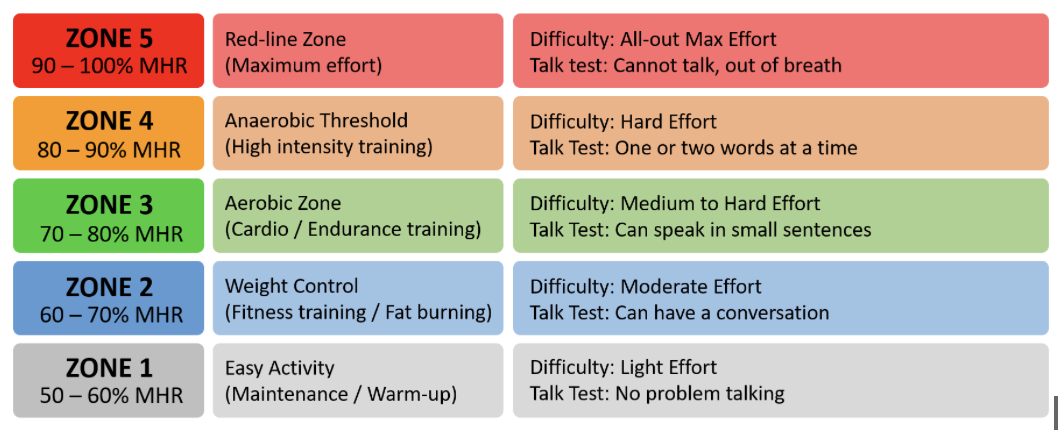
Pace is your time per kilometer; cadence is your steps per minute. When trying to pick up the pace, avoid reaching your lead foot far out in front—this causes overstriding, which acts like slamming on the brakes with every step and forces your joints to absorb heavy impact.
- The Goal: Landing your foot directly beneath your body minimizes braking forces and uses your body's natural elasticity to spring you forward.
- There are playlists and metronomes you can use for the rhythm if timing your steps, the ideal range is 170-175 steps per minute.
2. Heart Rate Zones & The Talk Test
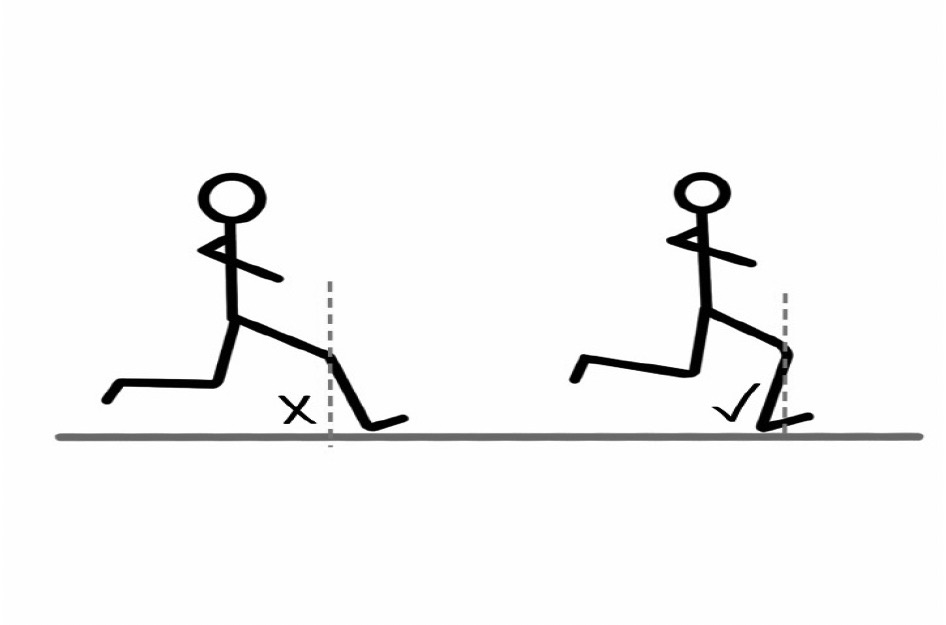
Heart rate training zones are used to divide your training intensity, ranging from light recovery to all-out effort.
Most people drift into Zone 3 when they first start running, assuming higher intensity yields faster progress. In reality, you build aerobic capacity and structural durability by spending time in Zone 2, keeping effort light enough to avoid overloading your joints or causing excessive fatigue.
The trick is using your watch alongside the "Talk Test" to make sure you're truly keeping it easy:
3. Managing Load: Don't Spike Your Distance
Building endurance requires workload, but sudden spikes trigger overuse injuries. Recent research on over 5,000 runners revealed that single-run distance spikes are the single biggest predictor of injury:
- 10%–30% single-run increase: 64% higher injury risk
- 30%–100% single-run increase: 52% higher injury risk
- >100% single-run increase: 128% higher injury risk
Example: If your longest run last week was 10 km and you jump to 12 km this week, that’s still a 20% increase in a single run—putting you at a higher risk of an overuse injury.
Have a Question?
We're here to help!
Our Clinic Locations
Movement Therapy has two prime clinic locations: